“chemical composition” search results (300)
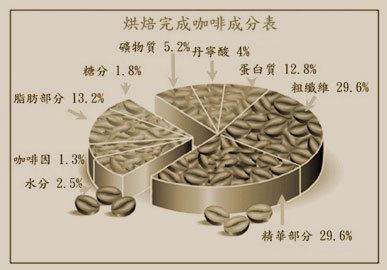
Dissecting the structure diagram of coffee fruit to understand the component content and structure of coffee beans
The main source of protein calories is protein, and like dripping coffee, most of the protein will not dissolve, so no matter how much coffee you drink, the nutrition you get is limited, which is why coffee will become a sacred food for dieters. Sugar: without sugar, you will not only feel the bitter taste of caffeine and the sour taste of tannin, but also feel the sweet taste.
2016-01-23 Anatomy coffee fruit structure diagram understanding beans composition content structure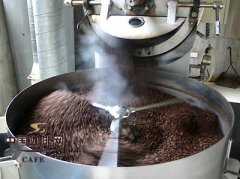
The most complete roasting course of Coffee
Roasting: this heat treatment causes significant chemical and physical changes in the structure and composition of raw coffee, causing the beans to darken and emit the characteristic aroma of roasted coffee. 1. The purpose of coffee roasting the main purposes of coffee roasting are: a, aroma; B, to increase the complexity of coffee; C, to obtain color; D, to form a unique flavor of coffee. 2. Coffee roasting
2015-09-11 Coffee most complete baking tutorials way roasting Roasting
There is no problem with three cups of high-quality coffee a day.
The chemical composition of coffee is very complex, there are thousands of kinds, and there are even nearly 200 unknown chemical substances, but in view of the fact that coffee is the third largest trading product in the world, Western and Arab countries have not seen a higher mortality rate than the Chinese in the history of drinking for hundreds of years, which shows that coffee is still safe as a beverage. The most notorious thing in coffee is caffeine, although
2014-12-22 Coffee common sense 3 cups a day high-quality quality no any problem coffee
Where does the bitterness in the coffee come from? Why is coffee bitter?
A cup of coffee is a complex drink made up of more than 30 chemicals that determine the taste, aroma and acidity of the coffee. Since the 1930s, scientists have isolated and identified a variety of chemicals related to the sensory composition of coffee, but no one can figure out what makes coffee so bitter. In order to solve this mystery, science has to cook.
2015-10-12 Coffee medium bitter from where why will be bitter a cup of coffee is made up of
The process of roasting coffee
1 is the state of raw coffee beans, 2 is that coffee beans are heated at the furnace temperature 3. As the temperature rises, the free water in coffee beans begins to evaporate, and the beans begin to change from green to yellow. At this stage, beans still have obvious grass flavor. 4 coffee beans are further dehydrated, from light yellow to color similar to longan. At this stage, the free water in coffee beans is further removed, and coffee beans gradually expand 5.
2014-07-03 Coffee knowledge coffee roasting coffee encyclopedia coffee common sense
Coffee health how many cups of coffee a day will not affect your health
The discussion on the pros and cons of drinking coffee is often seen in the newspapers. This side is still talking about drinking coffee to prevent cancer, while there is saying that drinking coffee causes cancer. Reading many similar reports makes people wonder: can coffee be drunk in the end? The chemical composition of coffee is very complex, there are thousands of, and even nearly 200 unknown chemicals, but given that coffee is the third largest trade in the world
2014-11-04 Coffee knowledge coffee health coffee influence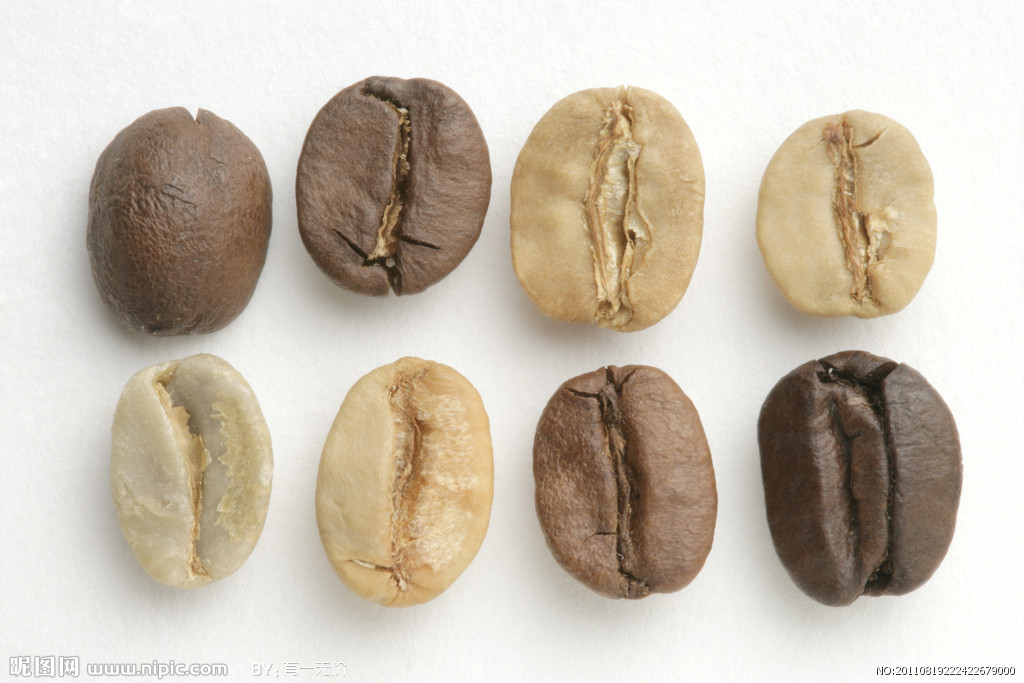
Coffee roasting Coffee Coffee making Coffee made at Home Coffee Italian mixed with beans
1 is the state of raw coffee beans, 2 is that coffee beans are heated at the furnace temperature 3. As the temperature rises, the free water in coffee beans begins to evaporate, and the beans begin to change from green to yellow. At this stage, beans still have obvious grass flavor. 4 coffee beans are further dehydrated, from light yellow to color similar to longan. At this stage, the free water in coffee beans is further removed, and coffee beans gradually expand 5.
2016-07-14 Coffee roasting making at home Italian blending coffee beans coffee raw beans status
Coffee common sense how many cups of coffee a day will not affect your health?
The discussion on the pros and cons of drinking coffee is often seen in the newspapers. This side is still talking about drinking coffee to prevent cancer, while there is saying that drinking coffee causes cancer. Reading many similar reports makes people wonder: can coffee be drunk in the end? The chemical composition of coffee is very complex, there are thousands of, and even nearly 200 unknown chemicals, but given that coffee is the third largest trade in the world
2015-06-26 Coffee common sense one day how much will not affect health for coffee unexpectedly is
Don't drink coffee from a metal cup.
When looking for coffee cups for our favorite coffee, we always turn our attention to those colorful quilts. The senior barista told us not to drink coffee from metal cups. So, are there any cups that can't be used with coffee to drink? The metal elements in the composition of enamel cups are usually stable, but in acidic environments, there are
2015-08-13 Don't use metal quality cup coffee self beloved find
Roasting baking
The average chemical composition of raw coffee beans is as follows: water 12%, nitrogen 12%, fat 12%, sugar and dextrin (dextrine) 10%, other non-nitrogen substances 18%, dust 4%, tannin 6.7%, caffeine 1.2%, coffee essential oil 0.1%. Of course, these data are not fixed, and the quantity of some of these ingredients varies greatly, which is why each kind of coffee is so different.
2014-07-04 Roasted coffee beans primitive coffee beans common sense of coffee beans
About baking
The average chemical composition of raw coffee beans is as follows: water 12%, nitrogen 12%, fat 12%, sugar and dextrin (dextrine) 10%, other non-nitrogen substances 18%, dust 4%, tannin 6.7%, caffeine 1.2%, coffee essential oil 0.1%. Of course, these data are not fixed, and the quantity of some of these ingredients varies greatly, which is why each kind of coffee is so different.
2014-08-04 Coffee knowledge coffee roasting coffee encyclopedia
Roasting roasted coffee
The average chemical composition of raw coffee beans is as follows: water 12%, nitrogen 12%, fat 12%, sugar and dextrin (dextrine) 10%, other non-nitrogen substances 18%, dust 4%, tannin 6.7%, caffeine 1.2%, coffee essential oil 0.1%. Of course, these data are not fixed, and the quantity of some of these ingredients varies greatly, which is why each kind of coffee is so different.
2014-09-28 Roasted coffee of coffee roasted coffee beans
Coffee beans roasting knowledge
The average chemical composition of raw coffee beans is as follows: water 12%, nitrogen 12%, fat 12%, sugar and dextrin 10%, other non-nitrogen 18%, dust 4%, tannin 6.7%, caffeine 1.2%, coffee essential oil 0.1%. Of course, these data are not fixed, and the amount of some ingredients varies considerably, which is why each coffee is so different.
2014-12-10 boutique coffee detail coffee beans roast knowledge original average
Don't drink coffee from a metal cup.
Metal cups, such as stainless steel, are more expensive than ceramic cups. The metal elements in the composition of enamel cups are usually stable, but they may be dissolved in acidic environment, so it is not safe to drink coffee, orange juice and other acidic drinks. Disposable paper cups or hidden potential carcinogens disposable paper cups only look hygienic and convenient, but in fact, the qualified rate of the product can not.
2014-10-17 Coffee knowledge coffee precautions coffee cup quality
The five flavors of coffee
The color, aroma and taste of sweet coffee are caused by some complex chemical changes that take place during the roasting process. Therefore, raw beans must go through appropriate chemical procedures to achieve the most balanced state of its essential ingredients in order to be regarded as the best baked beans. The aroma of coffee will change with the heat, so the baking time should be shortened as much as possible, and the coffee is hot.
2014-08-05 Coffee knowledge coffee taste coffee encyclopedia
The bitterness and mellowness of coffee.
The color, aroma and taste of coffee are caused by some complex chemical changes that take place during the baking process. Therefore, raw beans must go through appropriate chemical procedures to achieve the most balanced state of its essential ingredients in order to be regarded as the best baked beans. The aroma of coffee varies with the heat, so the baking time should be shortened as much as possible, and the heat can be controlled at the level of coffee beans.
2014-09-05 Coffee knowledge boutique coffee aroma of coffee
General knowledge of boutique coffee talk about the variety of coffee
At present, the most important coffee beans mainly come from two varieties, namely, Arabica and Robusta. The growth environment, cultivation mode, shape, chemical composition and even the processing methods of raw beans are different between the two kinds of coffee beans. Generally speaking, the better and more expensive coffee beans come from Arabica beans.
2014-10-11 Coffee knowledge boutique coffee coffee common sense coffee variety
At present, the most important coffee beans mainly come from two varieties.
At present, the most important coffee beans mainly come from two varieties, namely, Arabica and Robusta. The growth environment, cultivation mode, shape, chemical composition and even the processing methods of raw beans are different between the two kinds of coffee beans. Generally speaking, the better and more expensive coffee beans come from Arabica beans.
2015-01-14 At present the most important coffee beans mainly from a variety at present
Taste of Coffee Fine Coffee Coffee
The color, aroma and taste of coffee are caused by some complex chemical changes that take place during the baking process. Therefore, raw beans must go through appropriate chemical procedures to achieve the most balanced state of its essential ingredients in order to be regarded as the best baked beans. The aroma of coffee varies with the heat, so the baking time should be shortened as much as possible, and the heat can be controlled at the level of coffee beans.
2015-02-02 Coffee taste boutique tasting coffee color aroma through baking
Coffee Knowledge Boutique Ingredients in Coffee Beans
Sugar: In the absence of sugar, in addition to sensing the bitterness of caffeine and the sourness of tannin, it will also sense the sweetness, which is caused by the sugar contained in the coffee itself. Most of the sugar will caramelize after roasting, giving the coffee a strange brown color. Minerals: Taoist ash, iron, sulfur, sodium carbonate, phosphorus, chlorine, silicon, etc., due to the small proportion
2014-09-04 Coffee knowledge coffee bean ingredients coffee ingredients